
UN Youth Impact Scholars are selected to solve these pressing problems
UN Youth Impact Scholars are elite young leaders recognized for their measurable contributions to the UN Sustainable Development Goals (SDGs). Operating within the framework of UN ECOSOC’s global objectives, these scholars drive evidence-based initiatives in climate resilience, ethical AI, and social equity. Supported by international mentorship, they transform visionary ideas into scalable global impact.
Take Action for the Sustainable Development Goals
Selected Scholars will receive seed funding and mentorship to advance an independent social impact initiative that advances the Sustainable Development Goals.
The UN SDGs address the global challenges we face, including those related to poverty, inequality, climate change, environmental degradation, peace and justice. The 17 Goals are all interconnected, and in order to leave no one behind, it is important that we achieve them all by 2030. Click on any specific Goal below to learn more about each issue and take action.
-
![]()
Do you know all 17 SDGs?
-
![]()
Goal 1: No Poverty
Economic growth must be inclusive to provide sustainable jobs and promote equality.
-
![An image of Greenspacing.]()
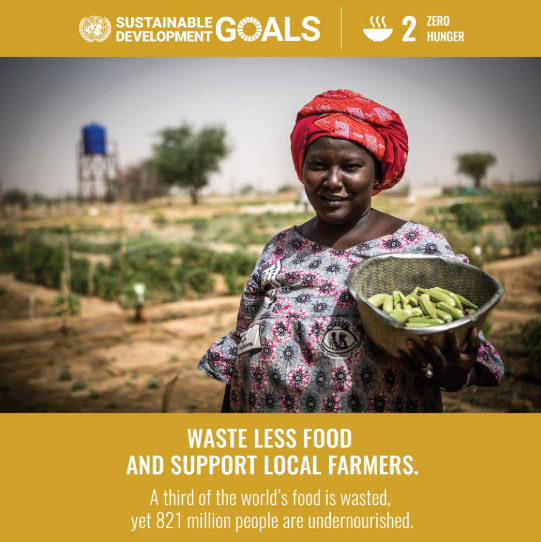
Goal 2: Zero Hunger
The food and agriculture sector offers key solutions for development, and is central for hunger and poverty eradication.
-
![An image of The Float House]()
Goal 3: Good Health and Well-Being
Ensuring healthy lives and promoting the well-being for all at all ages is essential to sustainable development.
-
![]()
Goal 4: Quality Education
Obtaining a quality education is the foundation to improving people’ slive and sustainable development.
-
![]()
Goal 5: Gender Equality
Gender equality is not only a fundamental human right, but a necessary foundation for a peaceful, prosperous and sustainable world.
-
![]()
Goal 6: Clean Water and Sanitation
Clean, accessible water for all is an essential part of the world we want to live in.
-
![]()
Goal 7: Affordable and Clean Energy
Energy is central to nearly every major challenge and opportunity.
-
![]()
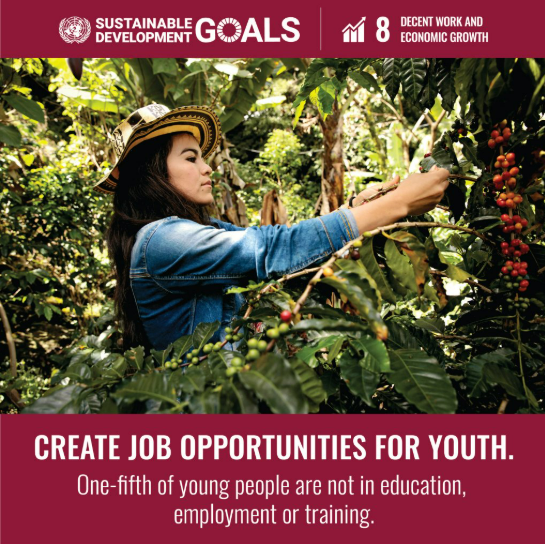
Goal 8: Decent Work and Economic Growth
Sustainable economic growth will require socieites to create the conditions that allow people to have quality jobs.
-
![]()
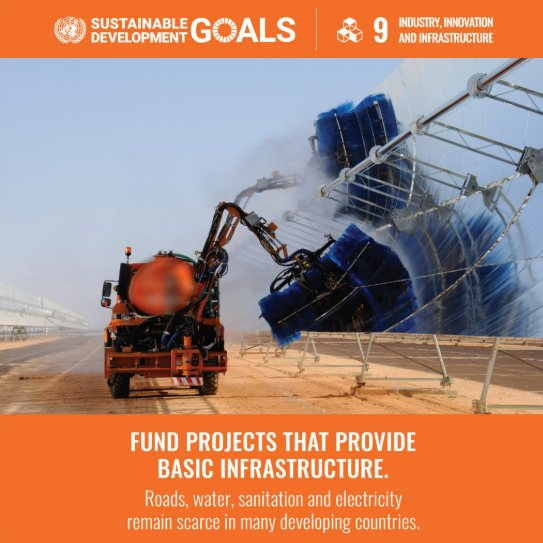
Goal 9: Industry, Innovation, and Infrastructure
Investments in infrastructure are crucial to achieving sustainable development.
-
![]()
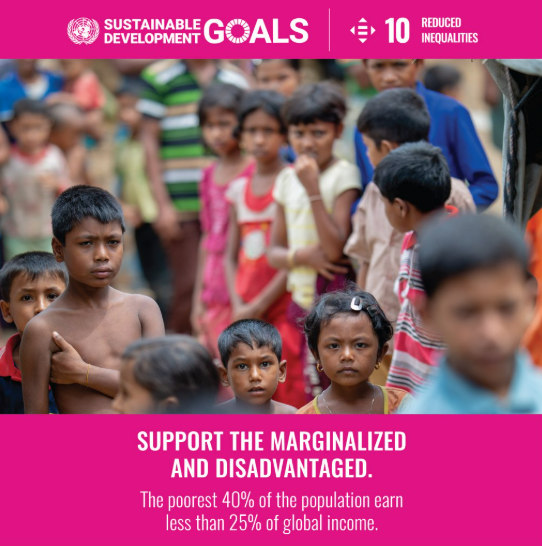
Goal 10: Reduced Inequalities
To reduce inequalities, policies should be universal in principle, paying attention to the needs of disadvantaged and marginalized populations.
-
![]()
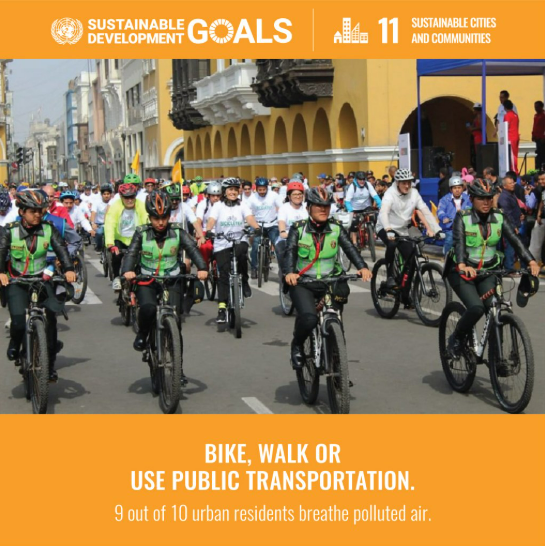
Goal 11: Sustainable Cities and Communities
There needs to be a future in which cities provide opportunities for all, with access to basic services, energy, housing, transportation and more.
-
![]()
Goal 12: Resposible Consumption and Production
Responsible Production and Consumption
-
![]()
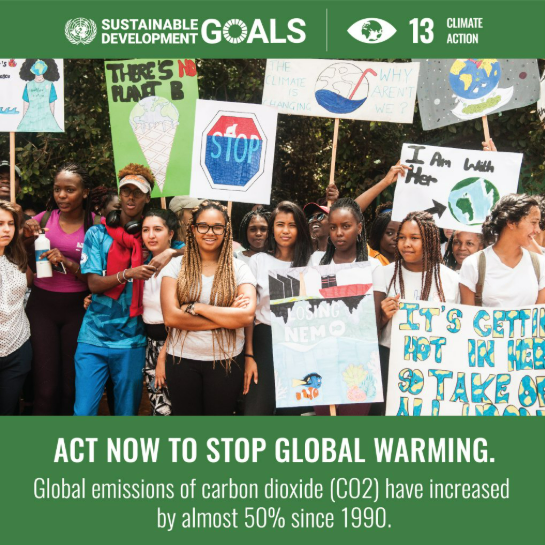
Goal 13: Climate Action
Climate change is a global challenge that affects everyone, everywhere.
-
![]()
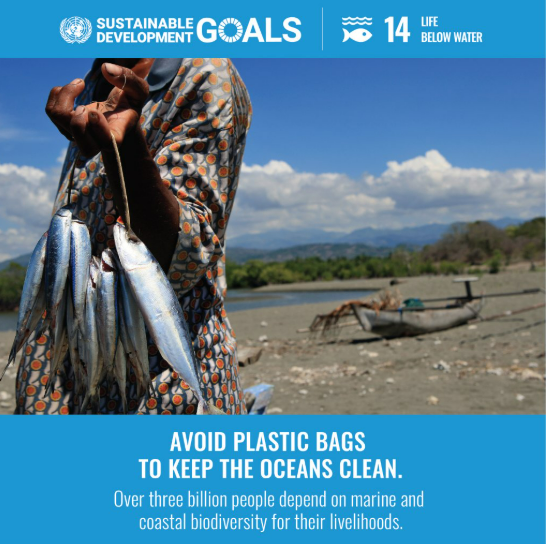
Goal 14: Life Below Water
Careful management of this essential global resource is a key feature of a sustinable future.
-
![]()
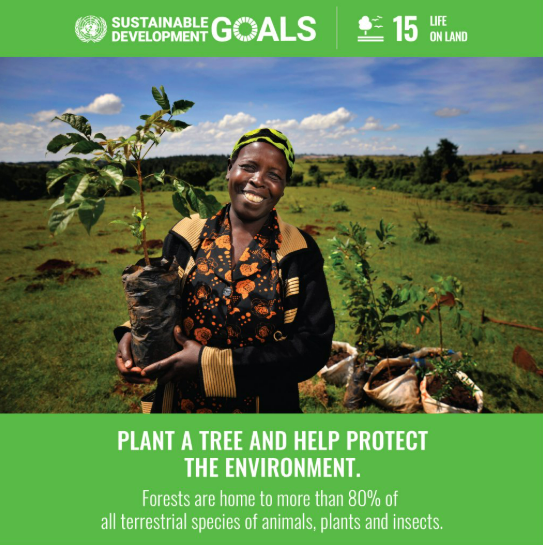
Goal 15: Life on Land
Sustainably manage forests, combat desertification, halt and reverse land degradation, halt biodiversity loss.
-
![]()
Goal 16: Peace, Justice and Strong Institutions
Access to justice for all, and building effective, accountable institutions at all levels.
-
![]()
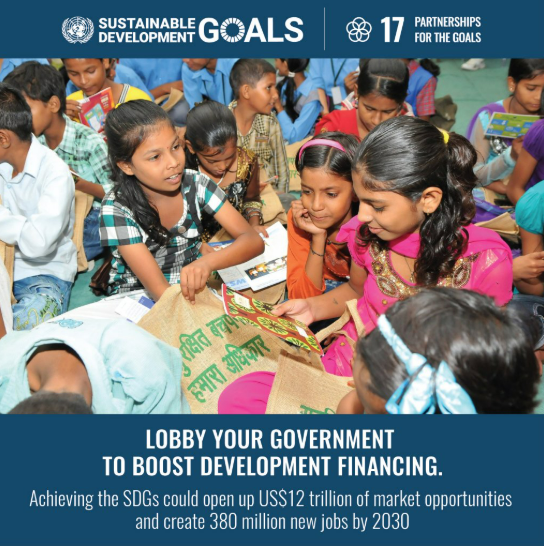
Goal 17: Partnership
Revitalize the global partnership for sustainable development






Learn More
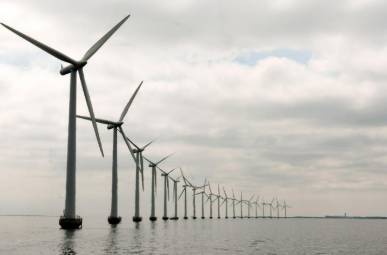
Climate Change
Climate change is the defining issue of our time and now is the defining moment to do something about it. There is still time to tackle climate change, but it will require an unprecedented effort from all sectors of society
Gender Equality
Women and girls represent half of the world’s population and, therefore, also half of its potential. Gender equality, besides being a fundamental human right, is essential to achieve peaceful societies, with full human potential and sustainable development.

Our Common Agenda
Following up on a pledge made by UN Member States at the UN’s 75th anniversary, the report Our Common Agenda looks ahead to the next 25 years and represents the Secretary-General’s vision on the future of global cooperation. It calls for inclusive, networked, and effective multilateralism to better respond to humanity’s most pressing challenges.

Ending Poverty
While global poverty rates have been cut by more than half since 2000, one in ten people in developing regions still lives on less than US$1.90 a day — the internationally agreed poverty line, and millions of others live on slightly more than this daily amount.

-
Read
Daily news updates, features, photo essays, thematic focus pages, and interviews with UN officials and advocates who have lent their voice to UN causes.
-
Watch
In addition to live and on-demand video-clips of meetings, events, and conferences from UN WebTV, there are features and stories on important global issues.
-
Listen
UN audio programmes, news stories, and interviews with key UN officials. Our hit UN News podcast "UNComplicated" gives you a unique perspective on the work of the Organization and the views of UN experts on important subjects. Our award-winning "Awake at Night" podcast gives an intimate and personal peek into the lives of UN staff who are striving to make a difference around the globe.
-
Engage
For media outlets and other content providers, we offer partnership opportunities. Everyone is also invited to engage with us via our various social media platforms.